The Importance of Good Manners: How We Encourage Kindness at Scribbles Learning Center
At Scribbles Learning Center, we believe some of the most important lessons children learn aren't written in a workbook.
They happen during play, conversations, and everyday interactions with others.
Simple words like "please," "thank you," and "excuse me" may seem small, but they are powerful tools that help children build friendships, develop empathy, and feel confident interacting with the world around them.
Good manners are not about strict rules or perfection. They are about kindness, respect, and learning how to treat others well.
And those lessons begin earlier than many people think.
Manners Help Children Build Social Confidence
Young children are constantly learning how to interact with others.
They are figuring out how to:
Share materials
Wait their turn
Listen when someone else is speaking
Express their needs respectfully
Understand how their actions affect others
When children practice these skills regularly, they begin to feel more confident in social situations. They learn how to join a group, solve small conflicts, and build friendships.
These early experiences help children develop the social and emotional skills they will use for the rest of their lives.
Kindness Creates a Positive Classroom Environment
In early childhood education, the tone of a classroom matters.
When children learn to use kind words, include others in play, and respect their classmates, the classroom becomes a place where everyone feels safe and valued.
At Scribbles Learning Center, we focus on creating an environment where children feel comfortable expressing themselves while also learning to respect others.
You'll often hear teachers gently guiding children with phrases like:
“"Let’'s use kind words.”"
“"How do you think your friend feels?”"
“"Can we take turns?”"
These small moments of guidance help children develop empathy, patience, and understanding.
Manners Are Learned Through Modeling
Children learn best by watching the adults around them.
At Scribbles, our teachers model respectful communication and kindness throughout the day. Whether it's greeting children warmly in the morning, thanking them for helping clean up, or calmly guiding them through a disagreement, we show children what respectful interactions look like.
Instead of lectures, children experience manners through:
Daily routines
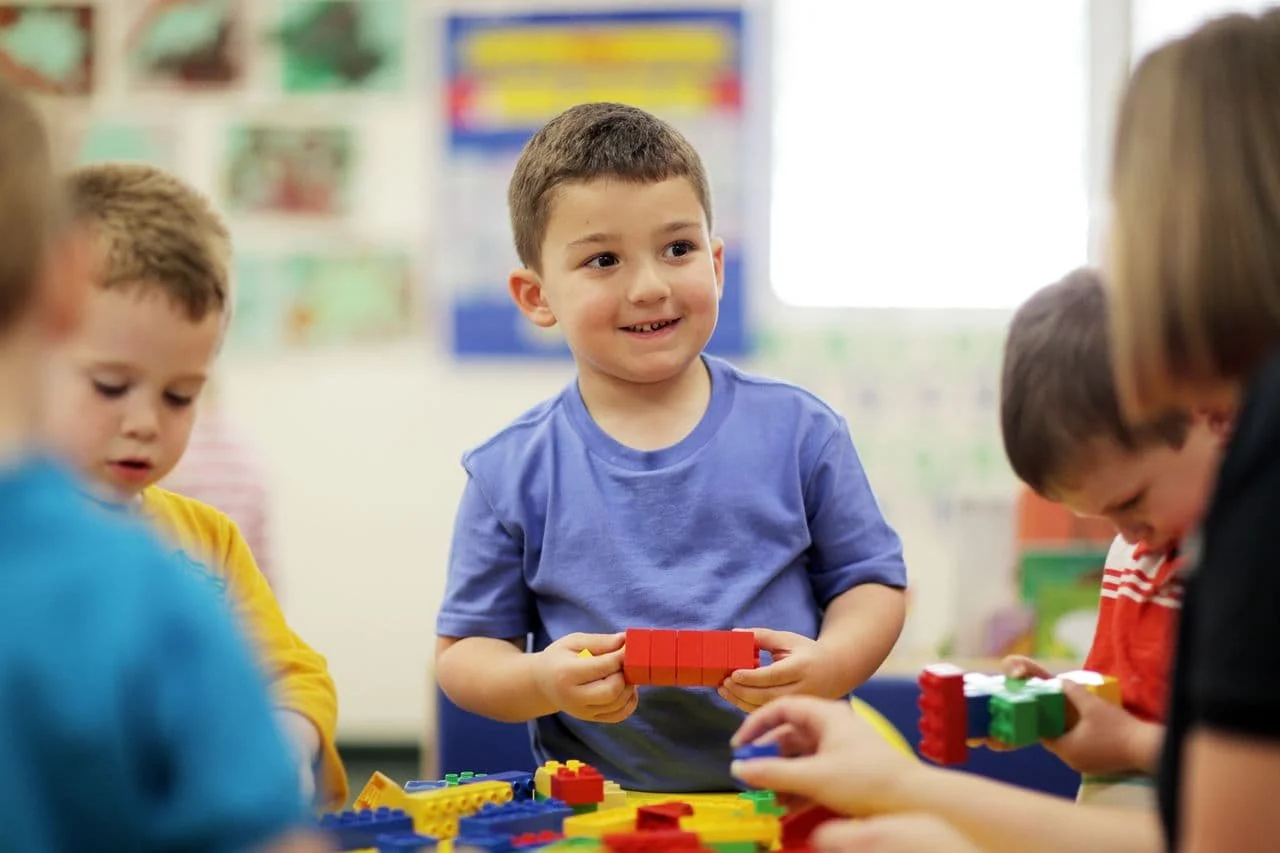
Cooperative play
Guided conversations
Positive reinforcement
Over time, these behaviors become natural habits.
Teaching Manners Through Everyday Moments
Many of the best opportunities to practice manners happen during simple everyday activities.
For example, children might practice kindness by:
Helping a friend clean up toys
Saying “"thank you”" when someone shares
Waiting patiently for a turn
Using gentle hands during play
Greeting teachers and classmates in the morning
These small moments may seem simple, but they help build a strong foundation for character and emotional intelligence.
Preparing Children for the World Beyond the Classroom
Teaching good manners isn't just about the classroom. These skills help children succeed in school, friendships, and eventually in life.
Children who feel comfortable communicating respectfully often:
Build stronger friendships
Navigate social situations more easily
Feel more confident speaking with adults and peers
Develop empathy and understanding for others
At Scribbles Learning Center, our goal is not only to prepare children academically, but to help them grow into kind, respectful, and confident individuals.
Growing Kind Humans at Scribbles
At the heart of everything we do is the belief that early childhood is about more than learning letters and numbers.
It’'s about learning how to be part of a community.
When children learn kindness, patience, and respect at a young age, those values stay with them as they grow.
At Scribbles Learning Center, we are proud to nurture curious minds, creative thinkers, and most importantly —-
kind humans.